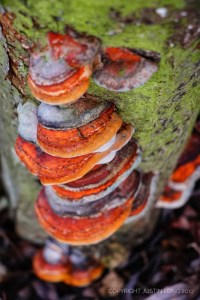
Red Banded Polypore fungus (Fomitopsis pinicola) ©Justin Long, Linford Lakes NR 26 January 2019
It is a rare occasion when I find the opportunity to dedicate a really good period of quality time to photography. And when I do, there’s not much I like more than to take a bimble round the woods with camera in hand, finding some fungi to shoot.
And so it was, on a cold but bright January morning, that just such an opportunity presented itself.
My lovely wife was away on a girlie weekend, and nothing else had managed to creep, or even barge its way to the top of my to-do list, so I decided to head up to Linford Lakes Nature Reserve to see what was about.
I had in mind getting some shots of the very photogenic Flammulina velutipes– the Velvet Tough Shank, which grows on hardwoods at this time of year. I already have a photo of this species from a few years back, but it’s not tack sharp, and besides which, my photographic skills and equipment have developed somewhat since then, if you’ll pardon the pun.
Linford Lakes is a good location for another early vernal species too – the Scarlet Elf Cup, and I did indeed find this species, but more about that another time perhaps…
A little technique I have developed over the years is to walk through an area looking for likely specimens or habitats, taking note along the way of anything interesting, and returning to the best spot once I have had a good look around. I have learned through bitter experience not to spend too much time on the first half decent mushroom that I come across, only to then find a much more photogenic specimen, and no time to do it justice!
And it was on this pre-photo recce that I came across this rather striking bracket fungus that I immediately recognised as Fomitopsis pinicola– the Red Banded Polypore. I say that I immediately recognised it, but in fact I had only ever seen this on the Continent before – in France and in Germany, so I had my suspicions that it might just be something a bit more common masquerading as a rarity.
So I took a number of photos from differing angles, including (importantly) the spore-bearing surface, showing the pores or tubes, from which the spores are ejected. I didn’t take any samples, as if it was indeed the Fomitopsis, I was unsure as to whether it had protected status.
Anyway, with that I headed home to do some research, bumping into Jane Grisdale on the way, and also stopping to get some photos of the aforementioned Scarlet Elf Cup. I mentioned to Jane that we might just have something a bit special here, but didn’t get too over enthusiastic, as identifying species on site, without reference material is always risky – especially for a potential rarity.
It turns out that there are 50 records for Fomitopsis pinicolaon the Fungal Records Database of Britain and Ireland (FRDBI), so I figured that we might be in with a chance of a first for the County. So, with excitement mounting, I checked the locations of each of the records on the database, starting with the first record from 1938.
Liverpool, Gloucestershire, Scotland, Durham… Kershope Forest, Kielder Forest, Wark Forest, Greenham Common…
With each record from a location other than Bucks, the chances of finding a county first at Linford Lakes increased, and before long I had reached the end of the list – all 50 species! But, alas, and you can imagine my disappointment, there it was, on the very last listing in the database – the 50th – a record from 2016, from Burnham Beeches, Buckinghamshire…
There was still a chance of course that my identification was wrong, but after conferring with friends at the Bucks Fungus Group, and further confirmation from the National Herbarium at Kew, it is now listed as a good record – the 51st.
So a second for the county, and only the second time this has been recorded on alder, it is still a great find for the Reserve, and, I think, time well spent.
Photos and text kindly supplied by Justin Long


 A new survey has revealed that the corncrake population has decreased by over 30% in the last 5 years.


 Early return to breeding areas is widely acknowledged to be ‘a good thing’ but why? Some people suggest that early migrants can choose the best territories, others argue that early chicks have a disproportionately high chance of fledging but there are other explanations too. In their paper in Ecology & Evolution, Catriona Morrison and her colleagues ask how much of the advantage of being an early migrant could be associated with having an option to nest again, if the first attempt fails.
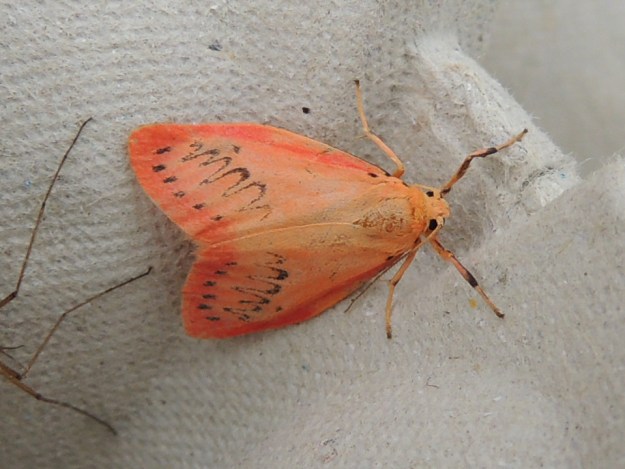








 For Northamptonshire’s butterflies 2018 has been a memorable year for many reasons. Not only did we have two national projects in the county but it was also an exceptional season for many of our butterflies. When I first became interested in the serious study of butterflies I’d often hear stories of huge groundings of Purple Hairstreaks, explosive Black Hairstreak years and numerous rare aberrations and colour forms which at the time such spectacles seemed to be confined to the history books so to witness many of these events first hand in 2018 made the year an extraordinary one to say the least.


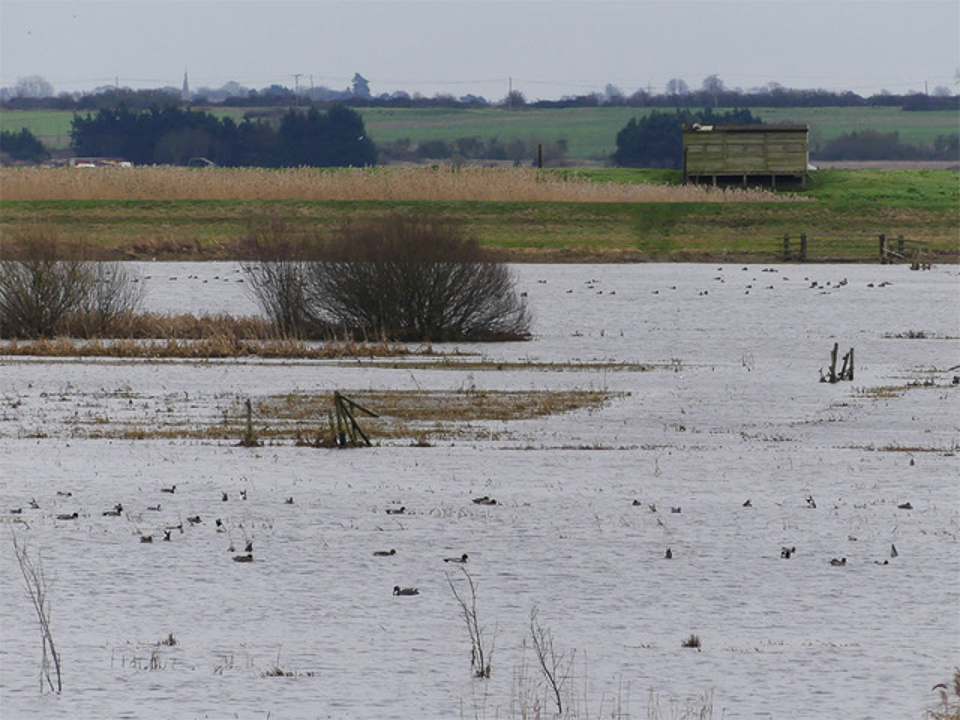


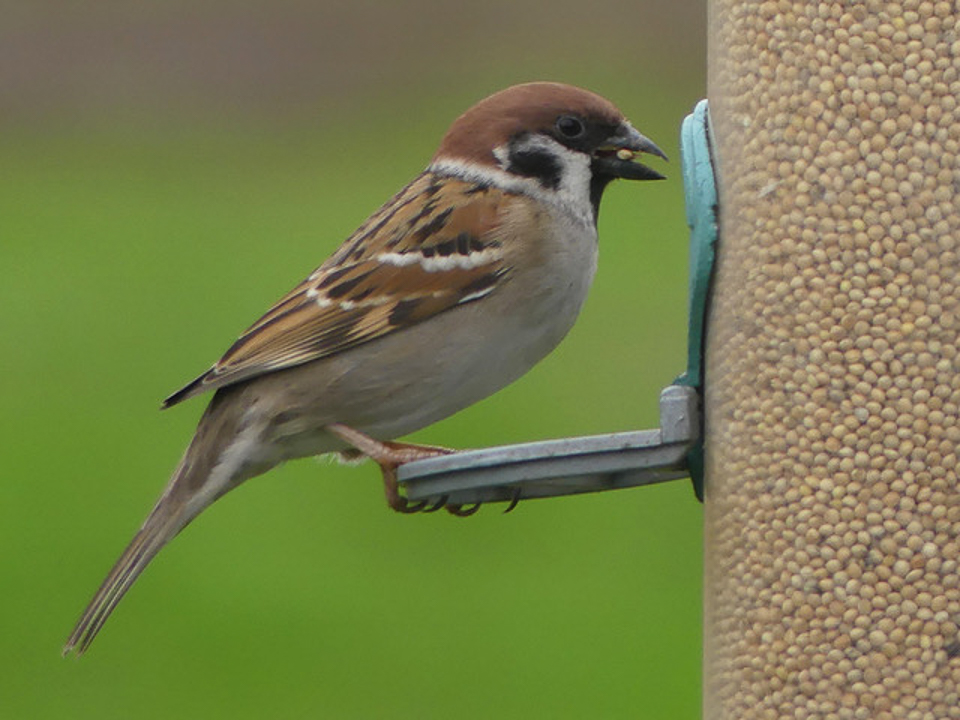
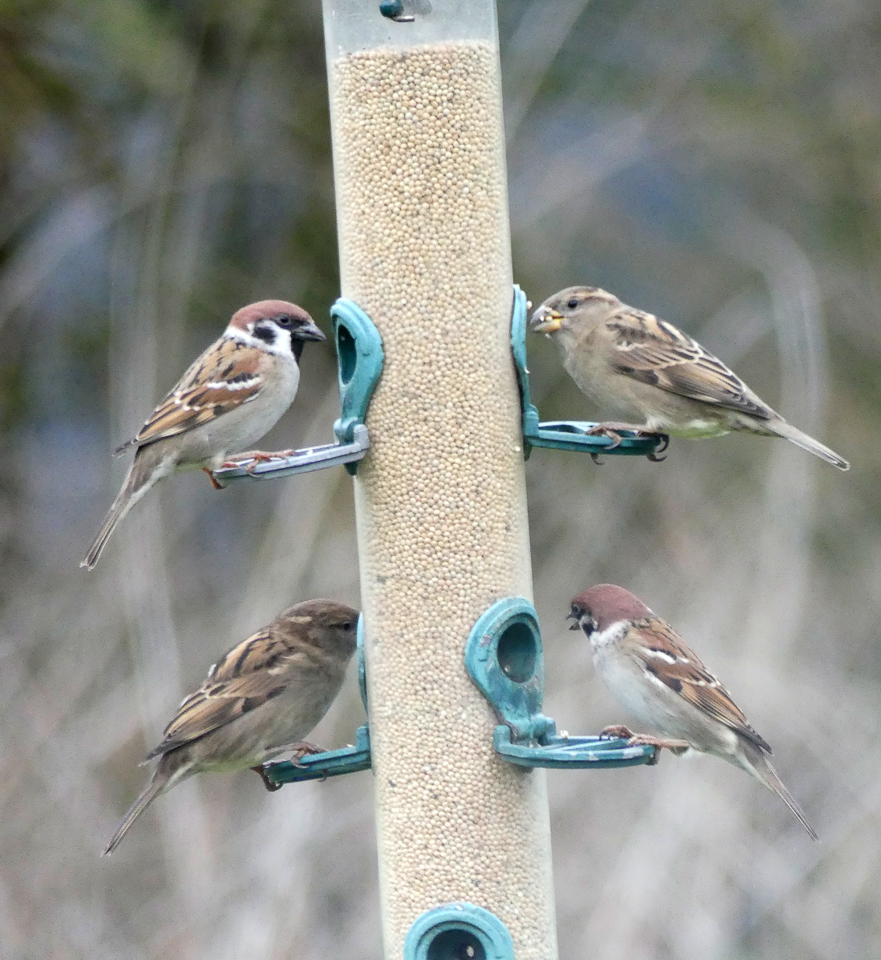

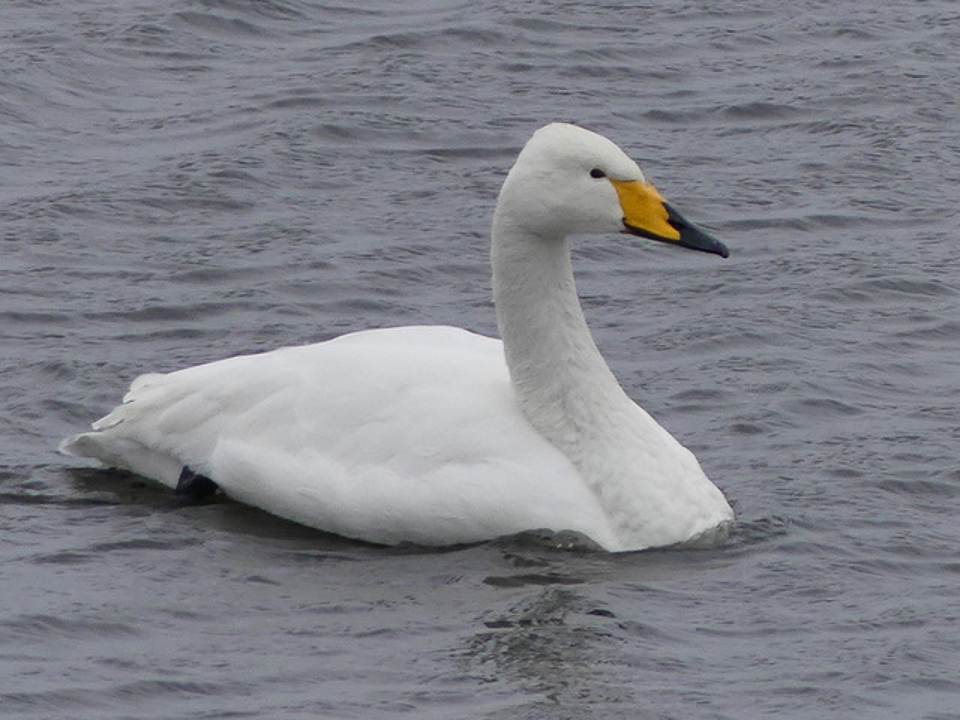


 The Buckinghamshire Bird Club have published a very interesting article on theSpotted Crake at Willen Lake



 We have been colour ringing black-tailed godwits at the Nene and Ouse Washes to help us understand more about the birds’ movements in the breeding and non-breeding season. Godwits are known to undertake long and often complex migratory journeys, and the marking of individual birds provides valuable information about the remarkable journeys these birds undertake.

 Over the past few years I’ve posted several pieces about how colleagues, students and myself have been monitoring one aspect of the environmental impact of the University of Northampton’…


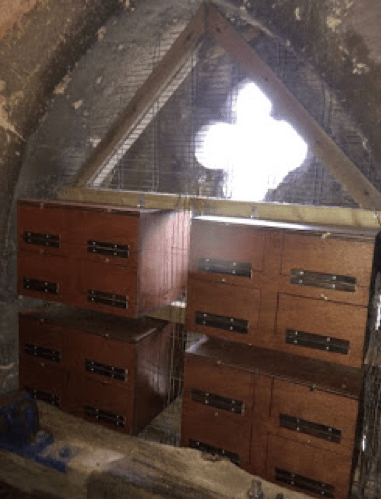
 Sadly, the area is under threat from development of adjoining land which will inevitably lead to increased disturbance to all of the wildlife that makes the site its home. Helping to create a successful breeding colony of sand martins will not only benefit the birds and the overall biodiversity of the site, but it will help to secure this important site’s position as the premier nature reserve in Milton Keynes and protect it from further damage from human activity.


 Weather wise 2017 proved to be a mixed bag and started with a nice spring which caused many butterflies to emerge early, in fact some of the spring butterfly species emerged two weeks earlier than they had the year before. Unfortunately despite the year being one of the warmest on record the weather took a serious turn for the worst during late June when high winds hit the county and then unsettled conditions dominated as the storms battering the USA made their way across the Atlantic to us.


 The Daily Telegraph travel section has published an article “Inside Britain’s magnificent Tree Cathedral – and five more arboreal structures” featuring the Tree Cathedral at Willen


 The Field Studies Council has compiled a catalogue of over 630 biological identification resources