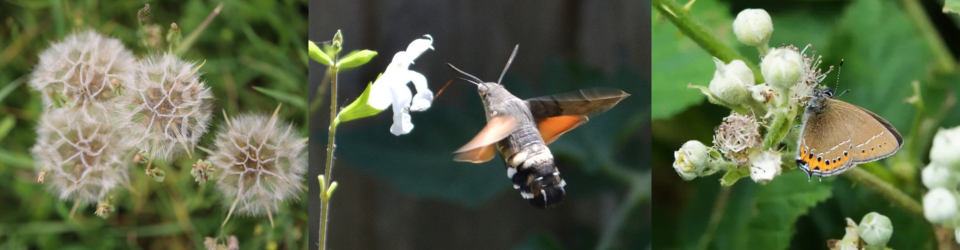

A HAVEN FOR FARMLAND BIRDS – John Meed (2022: Independent Publishing Network)
A patchwork of arable fields, hedges and strips of woodland at the edge of Cambridge contains a remarkable range of wildlife, including breeding Grey Partridge. This is a bird that has been in rapid decline countrywide, but is holding on at this site. The author’s account of Corn Bunting in these fields is even more encouraging.
A Haven for Farmland Birds is based on thorough wildlife surveys carried out by the author, John Meed, over more than seven years, covering a range of species including birds. The ‘haven’ is along the southern edge of the City of Cambridge and close to the city’s Biomedical campus. To its west is the mainline railway from London. This farmland contains valuable bird habitats and a small local nature reserve, but is under pressure from its potential for development. The location and its habitats are explained by maps within the text.
Part of the reason for this area benefitting a range of birds and other wildlife appears to be the relatively benign management of the land by the main landowner, and the presence of flower-rich grasslands, dense hedges and other beneficial habitats.
John Meed used to live in north Buckinghamshire. After moving to the Cambridge area, he started to carry out surveys of this ‘haven’ using the British Trust for Ornithology (BTO) Breeding Bird Surveys methods. Later he added surveys of butterfly transects for the UK Butterfly Monitoring scheme, then surveys of dragonflies and damselflies. He built up his knowledge of the local flora by walking the area with a friend who shared his botanical knowledge.
This book is a model of reliable ways to observe and record local wildlife. It deserves to be more widely read for its demonstration of the value of accurate knowledge from structured surveys, how to understand the ecology of local sites, and how to provide evidence for ongoing protection of sites of proven benefits for wildlife.
As the book draws to a close John Meed concludes: “I am not sure whether it will prove to be a snapshot of an area that continues to offer considerable farmland biodiversity, or an elegy for a site that once did so.” However that turns out, he has shown how to gather the necessary breadth and depth of information to understand what range of species use an area, what quality of habitats keep them there and why they should be protected.
Mike LeRoy © M G LeRoy
May 2026
A copy of this book has been donated to MKNHS by Peter Waterman, one of our Members. It is currently available on loan to MKNHS Members from the book reviewer at: mg@leroy.com. Or you can buy a copy from natural history booksellers such as Pemberley Books or NHBS.
John Meed has a website: https://johnmeed.net/ecology/haven/ where you can download Chapter 1 of his book.