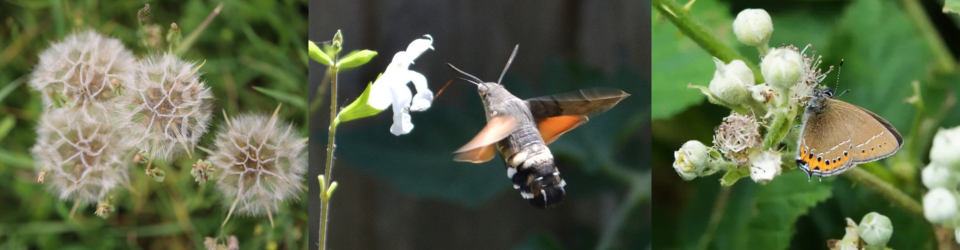

These meadows are a magical place. I’ve found secrets hidden amongst the wildflower and grass threads, prehistoric time capsules emerging from the sandy soil and the scarcest creatures jumping across my path like ghosts. I hunt to record the wonders of the local wildlife I have found. Despite all the hostile arrows modern life endlessly throws including loss of habitat, fragmentation, industrial farming, pesticides and human interference which includes our dogs and cats, some of the rarest relic species, with their pure and precious ancient DNA have managed to survive, on the edge of Milton Keynes City, within our parish.
There are so many tales to tell. Maybe one day you will read about them in the book I am writing, but this is the story of one of my most significant local discoveries. The reason I am choosing to share this with you now is because these near threatened creatures need our protection as they are living in the Ivy Lane Meadows which are in danger of being developed into a substantial housing estate.
It all started in 2024, when I noticed on top of the cut meadow stubble an odd ball shaped hay nest, rolling about like tumbleweed, which I photographed. A few days later, I began to google my suspicions and typed “Harvest Mice Nest” into the search engine. The images matched! It was absolutely pouring with rain at that time but I was on a mission to re-find my hay ball and, despite getting soaked, I found it. I carefully loaded the ball of soggy woven grasses into a bag and returned home to dry it out with a hairdryer on the lowest setting. A few insects (which I relocated in our garden meadow area) and a couple of tiny mouse droppings fell out onto the foil tray I’d placed it in. How exciting! The research journey was now in full swing. I placed the droppings onto a glass slide and looked into their depths with my compound microscope which has a huge magnification.

Harvest mouse nest (Photo©Julie Cuthbert)
I could see grass seed particles and splinters of insects including the lens of a fly eye but, best of all, it was entwined with tiny ginger hairs. Harvest mice are ginger. I posted my photographs of the nest and magnified dropping to experts for verification and received validation from many sources including, most importantly, Derek Crawley who runs the National Harvest Mice survey and is one of the leading experts in the country. Derek was hugely supportive and taught me how to recognise the defining characteristics that provide proof that it was a Harvest Mouse nest.
Since then I have found more than 20 nests along the Ivy Lane Meadows footpath all validated by Derek and recorded. Harvest mice were once plentiful but are now considered near threatened in Great Britain and are a priority species. Reintroduction programmes have had limited success as the captive bred mice don’t have natural instinct.
Why are they in the Ivy Lane Meadows when elsewhere they are rapidly declining or extinct? They are here because these pristine meadows are one of the rarest habitats left in our country. The UK has lost 97% of our flower meadows since the 1940s which equates to 7.5 million acres of species-rich habitat lost. Biodiversity net gain is a fallacy as these sensitively balanced, complex ecological systems cannot simply be relocated, replicated or recreated. For example, the importance of the microorganisms alone is something we are only just beginning to grasp. Areas like this must be protected for our future generations as we are not separate from nature, we are part of nature. Without the worms and the bees we would not survive.
Please take a look at my film on YouTube by searching for “ Ivy Lane Meadows in Great Brickhill ” or paste https://youtu.be/5OwQcFa-sDE
Please visit my website for more Harvest Mice nest photographs at https://juliecuthbertartist.wordpress.com
Julie Cuthbert